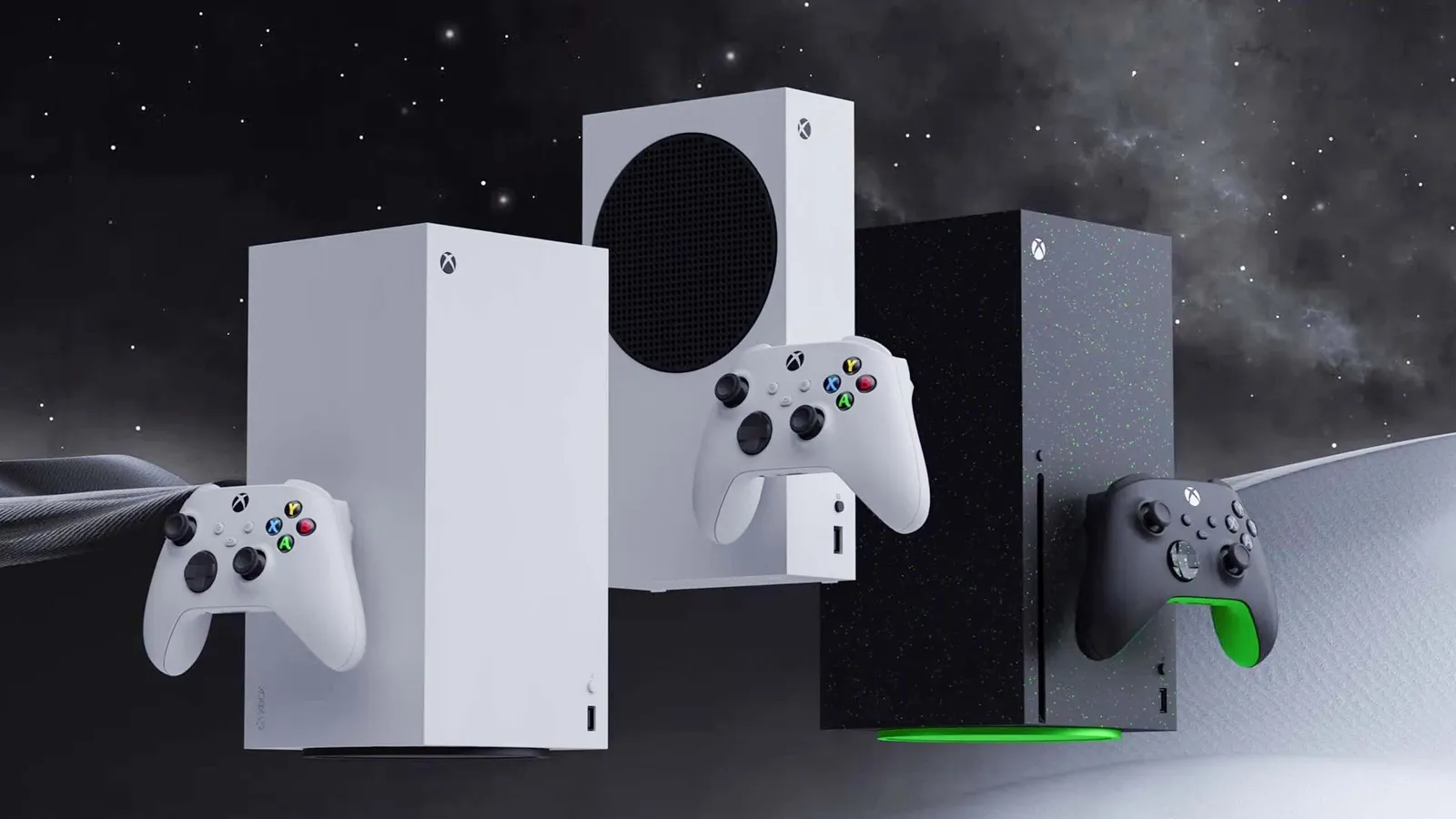

Console sales are down, exclusives are shrinking, and leadership just changed — so is Xbox finished? Not quite. Microsoft’s financial muscle, Minecraft’s recurring revenue, and a deep franchise bench suggest the platform is far from done.
Is Xbox Dead? 7 Facts That Say Otherwise
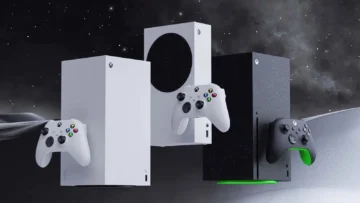
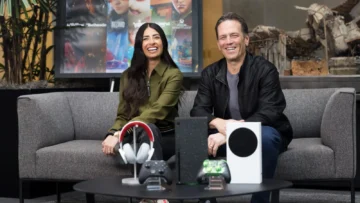
The narrative surrounding Xbox in early 2026 isn’t flattering. Console sales declined sharply in late 2025. Game Pass growth has cooled. High-profile titles like Indiana Jones and the Great Circle no longer sit behind strict console exclusivity. Phil Spencer stepped down after more than two decades with the brand, and new CEO Asha Sharma is still defining her long-term strategy. Meanwhile, social feeds and YouTube thumbnails are dominated by a familiar refrain: “Xbox is dead.”
Critics argue Microsoft has diluted the brand. The pivot toward multiplatform publishing, an aggressive subscription-first strategy, and deeper investment in PC and cloud gaming have fueled concerns that traditional console players are no longer the priority. Some commentators have even floated the idea that Xbox could follow Sega’s path — stepping away from hardware and focusing solely on publishing in a post-Activision-Blizzard world.
I’ve been on this ride since the Xbox 360 era — when Halo 3 and Halo 4 defined entire weekends, when the original Gears of War trilogy (still my favorite franchise) set a new bar for cinematic shooters, and when unexpected standouts like Lost Odyssey, Blue Dragon, and Project Gotham Racing 4 made the ecosystem feel vibrant and unpredictable. I’ve never subscribed to console tribalism; my TV hosts both a Series X and a PS5 without conflict. For me, Xbox has always been about experiences, not brand loyalty wars.
Yes, the turbulence is real. The last few years have been messy, and the absence of a singular “must-have” defining moment has left long-time fans uneasy. But zooming out tells a different story. Microsoft isn’t a console manufacturer operating on razor-thin margins. It’s one of the most valuable companies in the world, with gaming as just one pillar of a vast technology empire.
When you evaluate the financial backing, the intellectual property portfolio, the integration with Windows and cloud infrastructure, and the long-term hardware roadmap, the “Xbox is dying” narrative starts to look simplistic. Xbox isn’t fighting for survival in the traditional sense. It’s repositioning. And the foundation underneath it is far sturdier than critics suggest.
Here are seven reasons the brand is far from finished.
1. Microsoft’s Financial Scale: A Safety Net Few Competitors Can Match
The single biggest reason Xbox isn’t “dead” is simple: Microsoft doesn’t need it to win every quarter.
In fiscal year 2025 (ended June 2025), Microsoft reported approximately $101.8 billion in net income — a year-over-year increase. Its Intelligent Cloud segment, powered largely by Azure and AI-driven enterprise demand, continues expanding at roughly 30–40% annually. Against that backdrop, gaming represents a meaningful — but not existential — portion of the business.
Even as Xbox hardware revenue dipped in late 2025, Microsoft posted record overall cash flow. The contrast with competitors is stark. Sony’s entire PlayStation division generated roughly $7 billion in operating profit in its most recent fiscal year. Microsoft can generate that kind of profit in a single strong quarter across the broader company.
That disparity matters. Sony and Nintendo rely heavily on gaming performance. Microsoft doesn’t. It can subsidize hardware, experiment with Game Pass pricing models, invest in cloud streaming, and fund ambitious next-generation console R&D without facing immediate shareholder panic.
This financial insulation also enables strategic patience. Asha Sharma has emphasized “proof over promise” and evaluating long-term lifetime value across platforms. With the backing of a $3 trillion-plus corporation, Xbox has the luxury of playing a decade-long game rather than chasing short-term optics. In an industry driven by quarterly earnings calls and console cycle hype, that flexibility is a significant competitive advantage.
2. Xbox Game Pass: The Subscription Engine Powering the Ecosystem
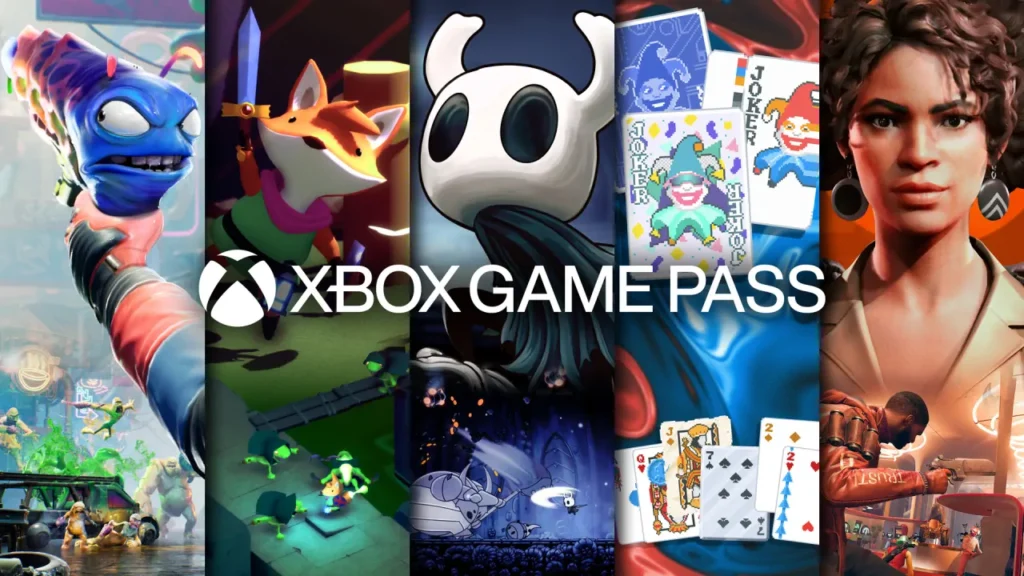
Xbox Game Pass isn’t a side feature — it’s the economic backbone of modern Xbox.
Launched in 2017, the service has evolved into a multi-platform subscription spanning console, PC, and cloud, offering hundreds of games for a monthly fee. In an industry where traditional $70 releases produce volatile spikes in revenue, Game Pass provides Microsoft with predictable, recurring income and a continuously engaged user base. It shifts Xbox away from hardware dependency and toward a service-driven model.
The financial impact is no longer theoretical. In fiscal year 2025, Game Pass generated approximately $5 billion in revenue, according to Microsoft’s annual reporting. Company leadership has repeatedly described the service as profitable, even accounting for substantial annual investments — estimated around $1 billion — in third-party licensing and marketing. While hardware revenue has fluctuated sharply (including a 32% drop in FY2026 Q2), content and services revenue proved far more resilient, cushioned in part by Game Pass growth.
Strategically, Game Pass also expands the audience beyond console owners. PC subscriber growth has been described internally as “incredible,” pulling in users who may never purchase Xbox hardware. Day-one launches of major first-party titles create recurring engagement spikes, while partnerships and third-party catalog additions broaden the value proposition. Even price adjustments in 2025 did little to slow overall revenue momentum — a sign of pricing power and user retention strength.
Bundled cloud streaming through Game Pass Ultimate further reduces friction. Subscribers can stream titles to phones, smart TVs, handheld devices, or low-spec PCs, bypassing hardware limitations entirely. Record paid streaming hours in FY2025 suggest this isn’t experimental — it’s foundational to the brand’s long-term distribution strategy.
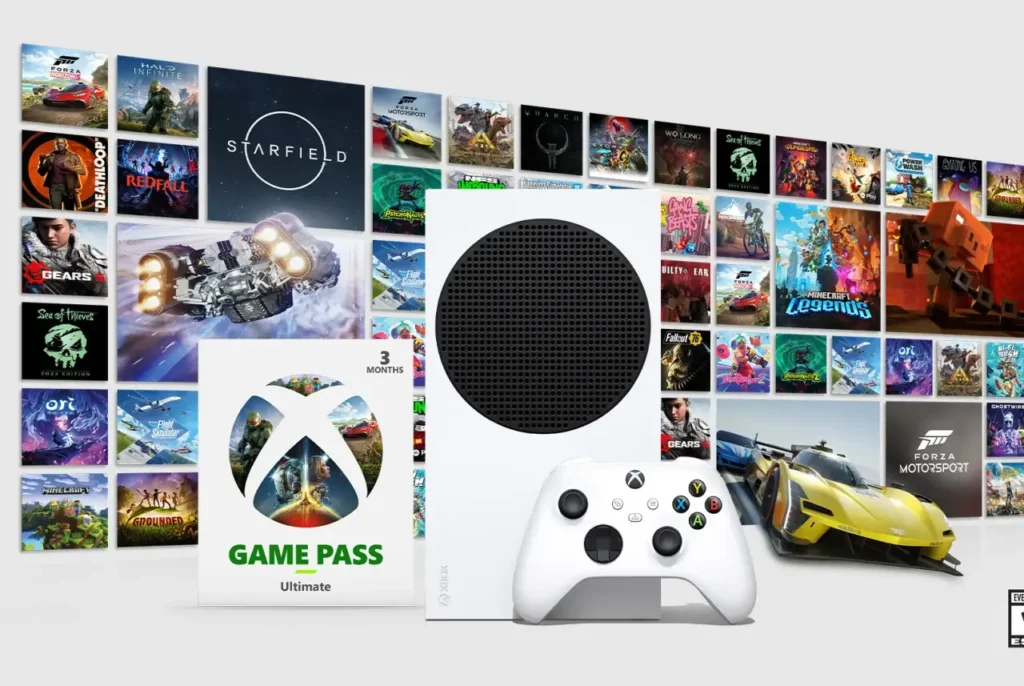
Game Pass isn’t a promotional tactic. It’s a structural shift in how Xbox monetizes gaming — and arguably the clearest reason the ecosystem remains economically durable.
3. Minecraft and a Portfolio of Evergreen Franchises
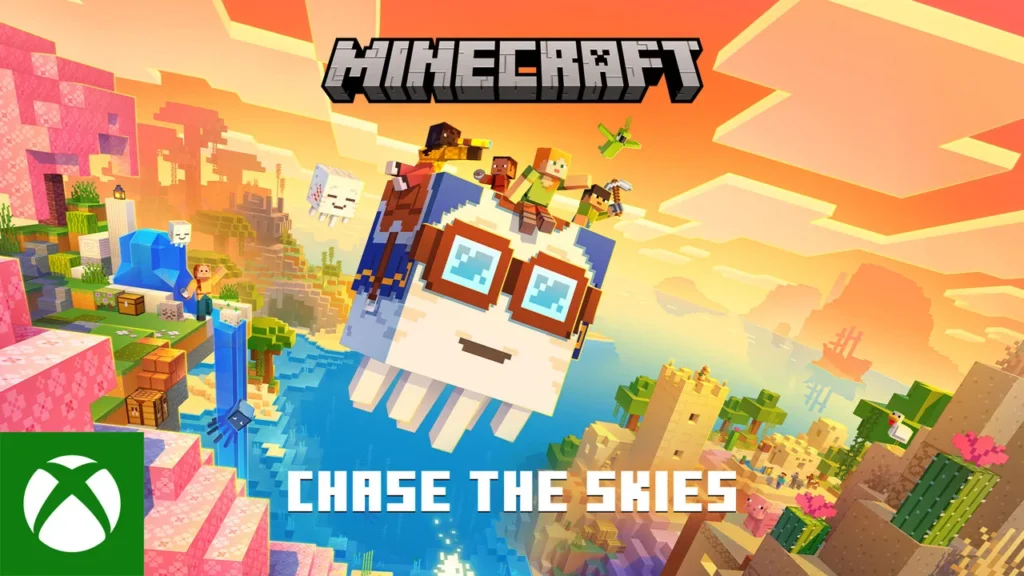
If Microsoft’s balance sheet is the safety net, Minecraft is the perpetual revenue engine that keeps it humming.
More than a decade after acquiring Mojang for $2.5 billion, Minecraft has achieved something few entertainment properties ever manage: sustained, cross-generational relevance. Lifetime sales have surpassed 350 million copies, making it the best-selling game of all time. Monthly active users reportedly reached 155 million in 2025.
What makes Minecraft uniquely powerful isn’t just its sales volume — it’s its stability. Annual revenue is estimated at roughly $220 million, with more than half generated through mobile platforms. Marketplace purchases, skins, Realms subscriptions, creator content, and continuous updates form a highly efficient monetization loop. Unlike blockbuster releases that spike and fade, Minecraft operates more like a living digital platform.
Since 2014, conservative estimates suggest it has generated well over $4 billion in revenue — and it shows little sign of slowing. New players discover it every year. Content creators build entire media ecosystems around it. Families continue purchasing in-game content long after the initial copy is sold.
Strategically, that steady cash flow matters. Minecraft cushions risk across the broader gaming division — whether funding new studio acquisitions, underwriting Game Pass expansion, or supporting ambitious hardware development. Even in a scenario where console sales decline dramatically, Minecraft remains platform-agnostic and resilient.
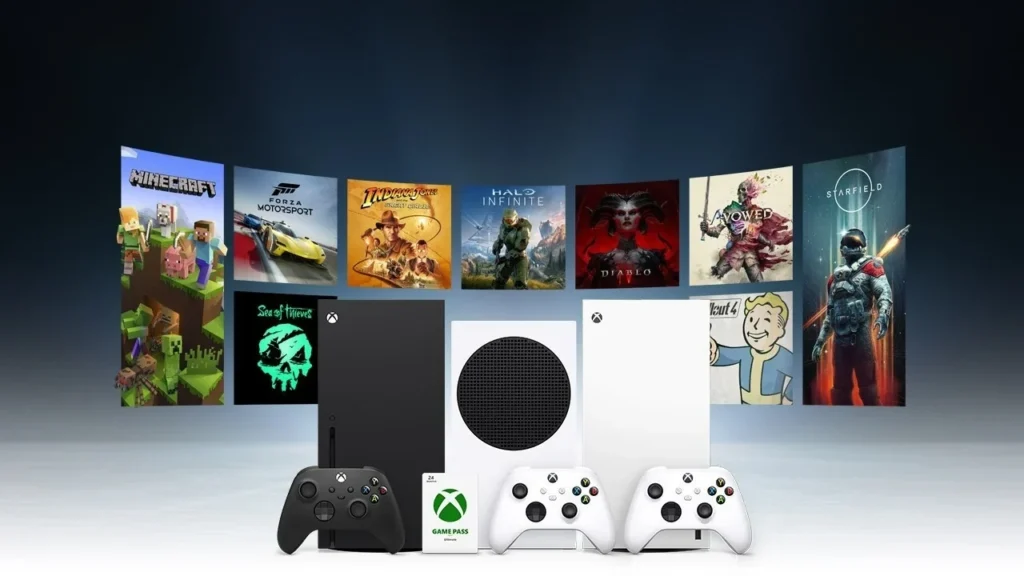
But Minecraft is only one pillar.
Beyond it, Xbox controls one of the most extensive and commercially proven portfolios of gaming intellectual property in the industry. These are not dormant legacy brands — they are active franchises with decades of cultural impact and billions in cumulative revenue.
Halo has surpassed 81 million units sold. Gears of War sits above 41 million. Forza approaches 29 million. The Bethesda acquisition added heavyweights like Doom, Fallout, and The Elder Scrolls. The Activision-Blizzard deal layered in global giants such as Call of Duty, Warcraft, Diablo, and Overwatch.
Collectively, that represents more than 20 major franchises — many of them billion-dollar properties on their own.
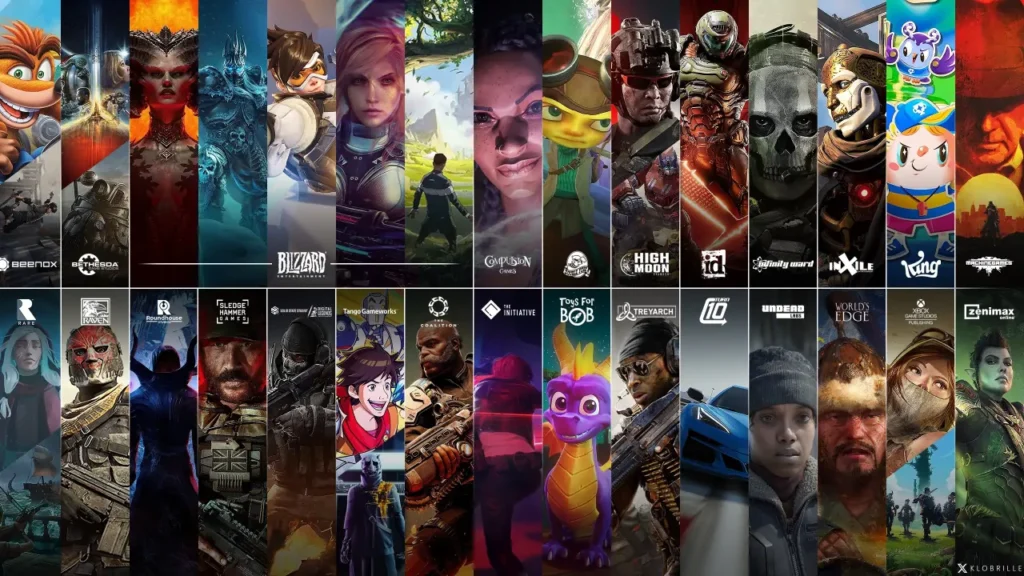
Even as Microsoft experiments with broader distribution strategies, these brands remain tightly integrated with the Xbox ecosystem through Game Pass, Windows, and cloud infrastructure. A major franchise release still drives subscription growth, ecosystem engagement, and long-tail monetization through expansions, seasons, and live-service content.
In practical terms, Xbox operates less like a single-platform console business and more like a diversified entertainment portfolio. When one segment underperforms — such as hardware — recurring software revenue and live services help stabilize the division.

Few competitors possess this level of IP depth combined with platform flexibility. And fewer still have an evergreen asset like Minecraft anchoring the entire structure.
4. Even in a Hardware Exit Scenario, the Brand Survives
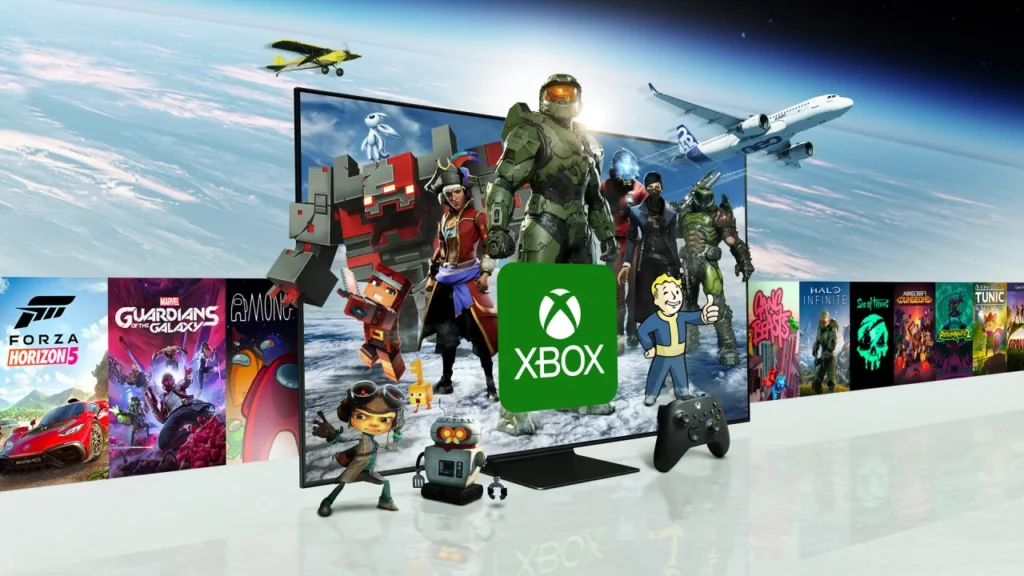
The most dramatic version of the “Xbox is dead” thesis assumes Microsoft eventually exits the console hardware business. But even that outcome wouldn’t necessarily spell the end of Xbox as a brand.
The historical parallel is Sega. After the Dreamcast’s commercial failure in 2001, Sega withdrew from hardware and repositioned itself as a third-party publisher. Over the next two decades, it rebuilt around franchises like Sonic, Yakuza (now Like a Dragon), and Persona, expanding across console, PC, mobile, anime, and merchandising. The hardware disappeared; the intellectual property endured.
Microsoft is already structurally positioned for that model. Activision-Blizzard and Bethesda operate as multiplatform publishers. Select Xbox Game Studios titles are appearing on PlayStation and Nintendo hardware. The development pipelines, global marketing teams, and distribution infrastructure are not dependent on a single box under the TV.
The difference is scale. Microsoft’s capital reserves, cross-platform reach, and portfolio depth are significantly larger than Sega’s ever were. If hardware margins became unattractive, Microsoft could pivot without dismantling the ecosystem. Revenue from Call of Duty, Fallout, Diablo, and Minecraft would continue flowing across platforms.
To be clear, current leadership has publicly recommitted to hardware. But the key point is structural resilience: even the worst-case hardware scenario does not equate to brand extinction. It simply changes the form factor.
5. Xbox Is Becoming the Gaming Layer of Windows
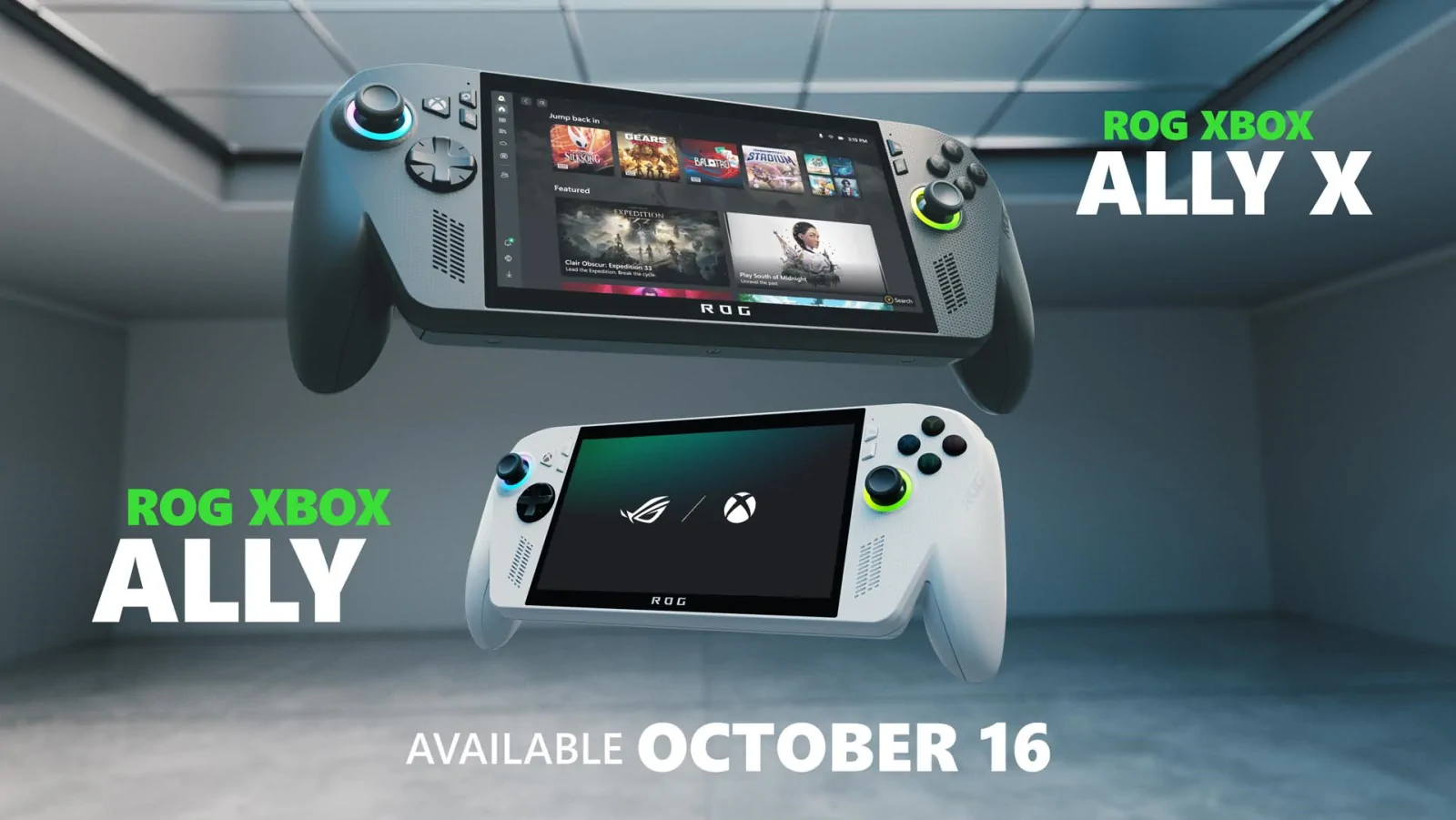
Perhaps the most underappreciated shift is how deeply Xbox is integrating with Windows. Increasingly, Xbox isn’t just a console platform — it’s Microsoft’s gaming interface across devices.
The ASUS ROG Xbox Ally and Ally X handhelds, introduced in 2025, run full Windows 11 while booting directly into an Xbox-style full-screen interface. From there, users can access not only Game Pass but also third-party storefronts like Steam, Epic Games Store, and Battle.net. Meanwhile, Windows 11 itself has seen targeted gaming improvements, including handheld optimizations, faster shader compilation, and deeper Game Bar integration.
Reports surrounding the next-generation Xbox hardware suggest a similar hybrid approach: full Windows under the hood, wrapped in a streamlined console UI. If accurate, that strategy would effectively turn the Xbox into a living-room-friendly Windows PC — one capable of running first-party titles, third-party storefronts, and cloud streaming within a single ecosystem.
This approach materially lowers platform risk. Even if traditional console sales soften, the Xbox experience persists across Windows PCs, handheld devices, and cloud endpoints. Developers gain a unified development target. Players gain flexibility. And Microsoft strengthens the broader Windows and Azure ecosystems in the process.
In that sense, Xbox is evolving from a discrete hardware product into a software and services layer embedded within Microsoft’s largest platforms. That kind of integration isn’t easy to unwind — and it makes the “dead console” narrative feel increasingly narrow.
6. Xbox Magnus: A True PC–Console Hybrid for the Next Cycle
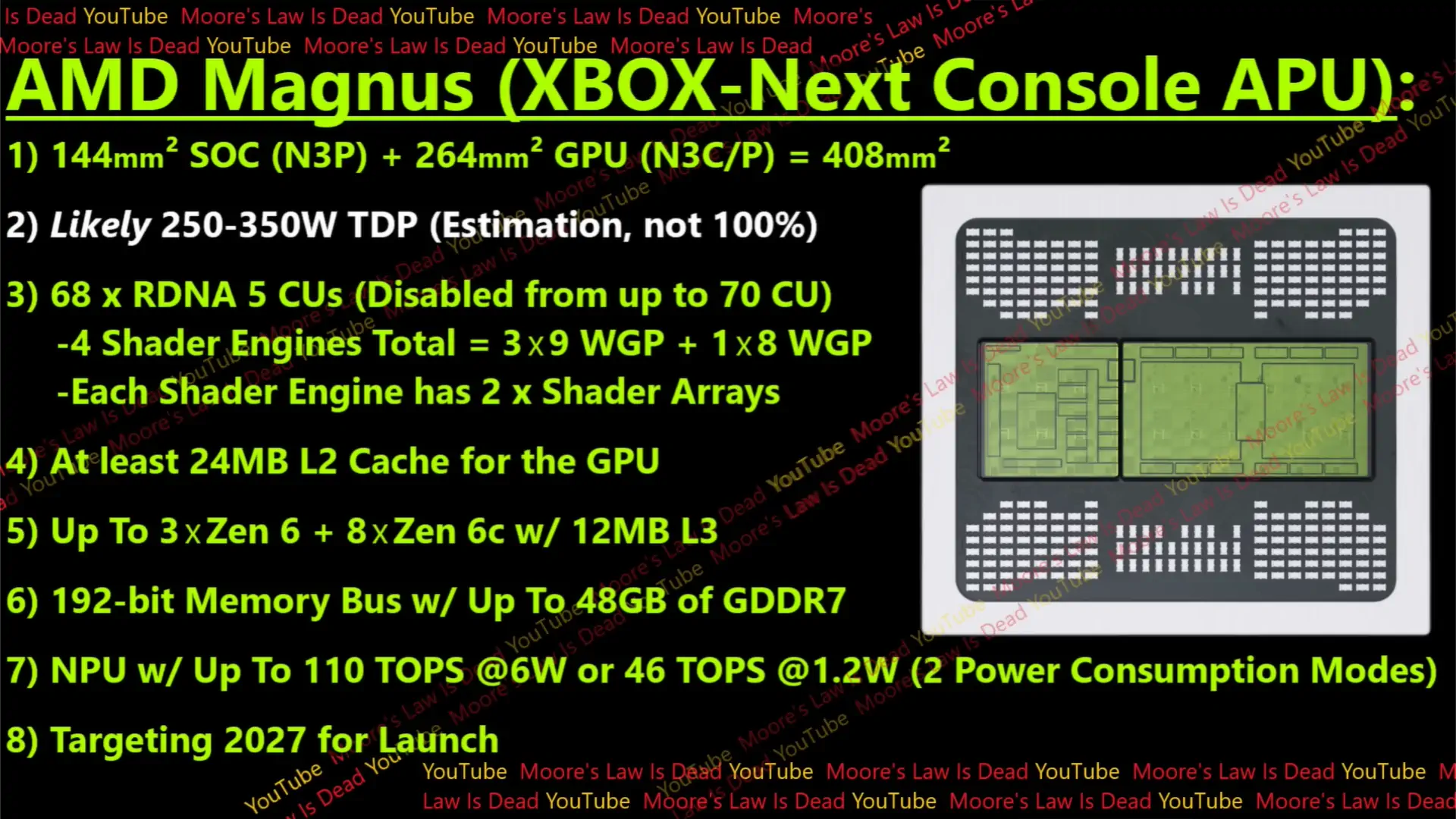
Microsoft isn’t stepping away from hardware. If anything, it appears to be preparing its most ambitious console yet.
Codenamed Magnus and reportedly targeting a 2027 release, the successor to the Xbox Series X represents a philosophical shift. Rather than building a closed console with incremental gains, Microsoft seems poised to deliver a high-end PC–console hybrid designed to anchor the living room while remaining deeply integrated with Windows.
Multiple reports from Moore’s Law Is Dead, TweakTown, and Overclock3D (as of February 2026) describe an unusually aggressive silicon design. The rumored APU is said to measure 408 mm² in a chiplet configuration — potentially the largest semi-custom console processor ever produced. The architecture blends performance and efficiency cores, high-bandwidth memory, and dedicated AI acceleration in a way that mirrors high-end desktop systems more than traditional consoles.
Below is a consolidated overview of the rumored specifications:
| Feature | Rumored Specifications (February 2026 leaks) |
|---|---|
| CPU Architecture | 3× Zen 6 (Performance) + 8× Zen 6c (Efficiency) — 11 cores total |
| GPU Architecture | RDNA 5 with 68 active Compute Units |
| Raster Performance Target | Estimated near desktop RTX 5080-class rasterization |
| Memory | Up to 48 GB GDDR7 on 192-bit bus |
| Neural Processing Unit (NPU) | 110 TOPS dedicated AI acceleration |
| AI Capabilities | Neural upscaling, frame generation, real-time asset assistance |
| Display Targets | Native 4K at 120–144 Hz; 8K media playback support |
| Estimated Power Envelope | 250–350 W |
| Operating System | Full Windows 11 core with console-style interface |
| Storefront Access (Rumored) | Native support for Steam, Epic Games Store, GOG, Battle.net |
If these reports prove accurate, Magnus won’t simply compete on incremental performance gains. It would blur the line between console and enthusiast PC — effectively delivering a streamlined Windows gaming system in a living-room-friendly chassis.
Crucially, that hybrid approach mitigates risk. Even if traditional console sales soften, Magnus would still function as a powerful Windows gaming device embedded within Microsoft’s broader ecosystem. Native storefront flexibility would reduce the perception of a closed garden while preserving Xbox’s first-party advantages through Game Pass and system-level integration.
Asha Sharma has publicly confirmed that “the next hardware is in motion” and described it as “premium and very potent.” Magnus, if aligned with current reporting, reads less like a defensive reaction to market pressure and more like a strategic escalation — doubling down on performance while embracing the openness that has fueled PC gaming’s growth.
7. Asha Sharma and the “Return of Xbox” Strategy

Leadership transitions often define platform eras, and Asha Sharma’s appointment as Microsoft Gaming CEO marks a clear inflection point.
In her initial internal memo and early interviews with outlets such as Variety and Windows Central, Sharma outlined a three-pillar framework aimed at restoring clarity to the Xbox brand.
First: great games. Sharma has emphasized human creativity and emotional resonance, explicitly distancing the company from overreliance on generative shortcuts. The message is straightforward — technology should amplify developers, not replace them.
Second: what she calls the “Return of Xbox.” That phrase carries weight. Sharma has directly stated her commitment to console hardware and to recapturing the bold, slightly rebellious energy that defined the early Xbox era. “I am committed to returning to Xbox, and that starts with the console,” she said — a clear signal after years of mixed messaging about platform direction.
Third: the future of play. Cloud, AI, and mobile aren’t positioned as substitutes for console gaming, but as extensions of it. Sharma’s background in AI and large-scale platforms (Meta, Instacart, Microsoft CoreAI) suggests she understands how to scale ecosystems without fragmenting them. Early indications show a leader in “listen and learn” mode — visiting studios, reassessing portfolio priorities, and focusing on long-term value over short-term optics.
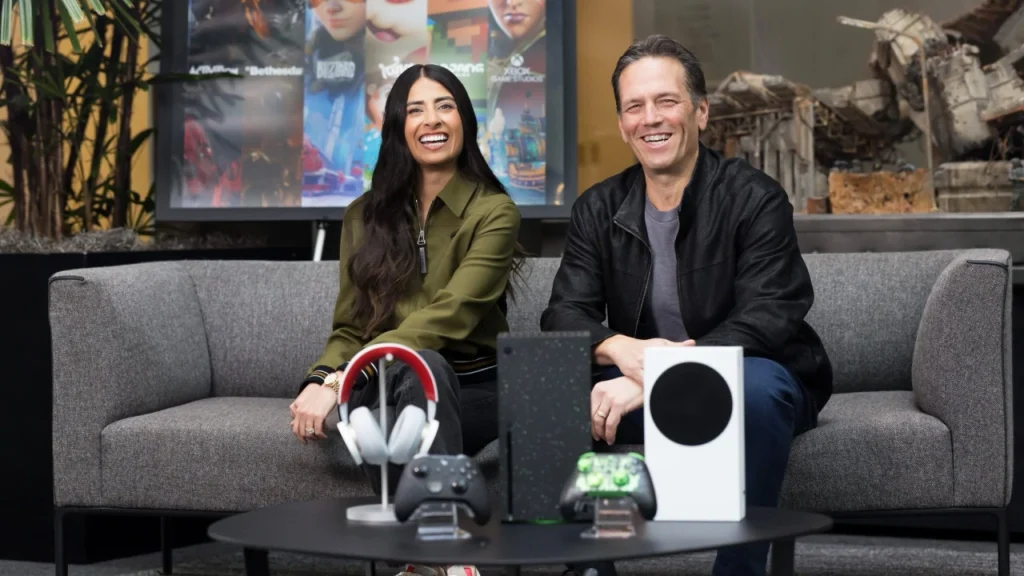
After several years of strategic ambiguity, that clarity alone stabilizes perception. Combined with deep financial backing and an aggressive hardware roadmap, the leadership reset gives Xbox forward momentum as it approaches its 25th anniversary cycle.
Conclusion: Not a Collapse — a Strategic Repositioning
Declaring Xbox “dead” makes for clickable headlines. It does not reflect structural reality.
Yes, hardware sales have fluctuated. Yes, exclusivity walls are thinning. And yes, Microsoft’s strategy looks different from the traditional console playbook. But beneath those surface-level shifts sits an unusually resilient foundation: one of the world’s largest technology companies, an evergreen revenue engine in Minecraft, a vast portfolio of globally recognized franchises, a viable publisher fallback model, deep Windows integration, next-generation hybrid hardware, and leadership explicitly recommitting to consoles.
What’s happening isn’t retreat — it’s repositioning. Xbox is becoming less dependent on a single box under the television and more embedded across devices, storefronts, and services. That evolution may feel unfamiliar to longtime fans, but adaptation has always been the difference between brands that fade and brands that endure.
The console wars narrative may be fading. The Xbox ecosystem, however, is not.