
Looking for the most secure stablecoins in 2026? This guide ranks the top 5 fiat-backed options by real-world safety and includes practical buying & transfer tips. Avoid depeg risks today.
The Safest Stablecoins to Hold in 2026
Stablecoins promise the stability of the US dollar in the volatile world of cryptocurrency, but not all are created equal. In 2026, with stricter regulations like the GENIUS Act in place and fresh examples of failures still fresh in memory, choosing the right one matters more than ever.
Whether you’re parking savings, moving money across borders, or preparing to earn interest on a platform, the biggest concern for most users is simple: will my stablecoin keep its $1 peg when it counts? This guide focuses on the safest, most trustworthy options available today—those backed by real reserves and subject to meaningful oversight—while explaining the risks that make other designs far less suitable.
The Best Free Tools to Clean, Optimize, and Speed Up Your Windows PC
What Are Stablecoins and How Do They Work?
Stablecoins are cryptocurrencies designed to maintain a steady value, usually pegged 1:1 to the US dollar (or another fiat currency). They act as a bridge between traditional money and the blockchain, letting users send value quickly and cheaply without the wild price swings of Bitcoin or Ethereum.
At their core, most stablecoins work through a redemption promise: holders can exchange one unit for one US dollar (or equivalent) under normal conditions. The issuer holds reserves—cash, short-term US Treasuries, or other liquid assets—to back every token in circulation. When demand rises, new tokens are minted against fresh reserves; when users redeem, tokens are burned and reserves are released.
The concept gained traction after the 2014 launch of Tether (USDT), which aimed to bring dollar stability to crypto trading. Since then, stablecoins have grown into a massive sector, with total market capitalization exceeding hundreds of billions. They power trading pairs on exchanges, facilitate cross-border payments, serve as collateral in DeFi, and increasingly act as a digital cash equivalent for individuals and businesses.
Types of Stablecoins: Understanding the Risks
Stablecoins fall into two main categories, and the difference is critical for safety.
Fiat-backed stablecoins (also called traditional or reserve-backed) are the most common and generally safest. Each token is backed 1:1 by real-world assets—typically cash in bank accounts and short-term US Treasury bills—held by a regulated issuer. Redemption is handled centrally, and transparency comes from regular attestations or full audits by independent firms. USDC, PYUSD, RLUSD, USDT, and FDUSD all belong here.
Algorithmic or crypto-collateralized stablecoins attempt to maintain the peg through smart contracts, over-collateralization with volatile crypto assets, or algorithmic supply adjustments rather than full fiat reserves. These designs can offer higher yields or greater decentralization, but they introduce serious vulnerabilities. Because they often rely on complex code and external oracles, a single exploit or market crash can break the peg permanently.
A clear recent warning came in March 2026 with the Resolv protocol’s USR stablecoin. An attacker exploited a compromised private key in the minting process, creating roughly 80 million unbacked USR tokens with only a small collateral deposit. The token lost nearly its entire value in minutes, and the protocol had to pause operations. This wasn’t an isolated incident—similar failures (like Terra’s UST collapse in 2022) show how quickly algorithmic designs can unravel under stress or attack. For most users who simply want dollar-like stability without constant monitoring, these designs carry unnecessary risk and are best avoided.
How to Buy Stablecoins
Buying stablecoins is straightforward on most major platforms. The most common path for beginners is using a centralized exchange that supports fiat deposits or crypto swaps.
You start by creating an account, completing identity verification (KYC), and depositing funds—either by bank transfer, card, or sending crypto from another wallet. Once funded, you can buy USDC, USDT, or other stablecoins directly with USD or swap from another asset.
One popular and liquid option is Binance. If you’re just starting out or need access to multiple stablecoins and low trading fees, you can register and begin trading here:
https://accounts.binance.com/register?ref=13281215
After purchasing, the coins appear in your spot wallet, ready to hold, trade, or transfer. Always double-check the network when moving funds later, as mismatches can result in permanent loss.
How to Transfer Stablecoins with Minimal Fees
Once you own stablecoins, transferring them efficiently becomes important—especially if you plan to move them to an interest-earning platform or another wallet. The key is choosing the right blockchain network. Different networks have dramatically different fees and speeds.
The cheapest and most popular options in 2026 are:
- Tron (TRC20) — especially for USDT. Withdrawal fees are often around $1 or less, and transfers confirm in seconds to minutes.
- BNB Smart Chain (BEP20) — frequently the lowest cost (sometimes under $0.30), ideal for both USDT and USDC. You’ll need a tiny amount of BNB to cover gas.
- Solana — extremely fast and cheap (fractions of a cent for many transfers), widely supported for USDC.
Critical rule: Always send to a wallet or platform that supports the exact same network. If you send USDT on Tron (TRC20) to an Ethereum (ERC20) address, the funds will likely be lost forever. Most platforms clearly label the supported networks for each deposit. Match them exactly and test with a small amount first if you’re moving a larger sum.
If you want to earn competitive interest on your stablecoins while keeping things relatively simple and secure, platforms like Nexo offer flexible savings options with attractive rates (currently up to 8–10% on major stablecoins depending on your tier). You can explore their platform here:
https://nexo.com/ref/f3kgqgknwo?src=web-link
Comparative Table
| Rank | Stablecoin | Trust Score | Type | Brief Description |
|---|---|---|---|---|
| 1 | USDC (Circle) | 9.8/10 | Fiat-backed (US regulated) | Monthly audits, 100% cash + US Treasuries, highest transparency and regulatory compliance. |
| 2 | PYUSD (PayPal USD) | 9.6/10 | Fiat-backed (NY regulated) | Issued by Paxos, backed by PayPal’s ecosystem, strong institutional-grade oversight. |
| 3 | RLUSD (Ripple USD) | 9.4/10 | Fiat-backed (NYDFS Trust) | NYDFS-regulated trust, BNY Mellon custody, designed for institutional payments and transparency. |
| 4 | USDT (Tether) | 8.7/10 | Fiat-backed (offshore) | Highest liquidity globally, improved audits in 2026, but more complex reserve structure. |
| 5 | FDUSD (First Digital) | 8.4/10 | Fiat-backed (Hong Kong) | Hong Kong regulated, transparent cash reserves, popular for trading on Binance. |
The Safest Stablecoins in Detail
1. USDC (Circle)
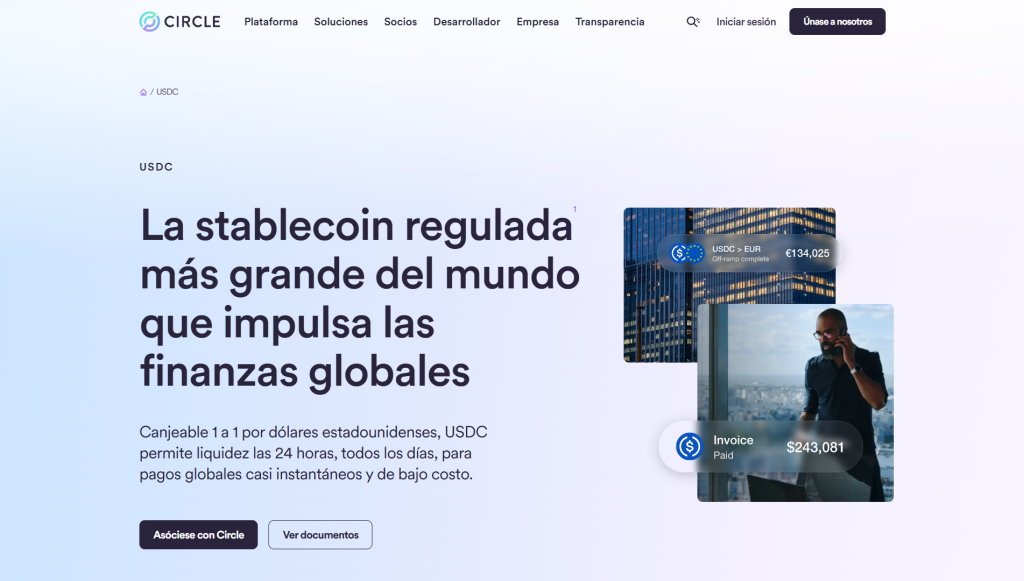
USDC stands out as the benchmark for safety in 2026. Issued by Circle, a US-regulated company, it maintains full monthly attestations from major accounting firms like Deloitte. Every token is backed 1:1 by cash and short-term US Treasury bills held in segregated accounts at regulated banks.
This level of oversight and the strict requirements of the GENIUS Act make USDC the go-to choice for users who want minimal worry about depegs or reserve shortfalls. It has proven resilient even during past banking stress, such as the brief 2023 SVB episode, which was quickly resolved.
Pros:
- Highest regulatory transparency and monthly audits
- Strongest track record of maintaining the peg under pressure
Cons:
- Slightly lower yields compared to less regulated alternatives on some platforms
2. PYUSD (PayPal USD)
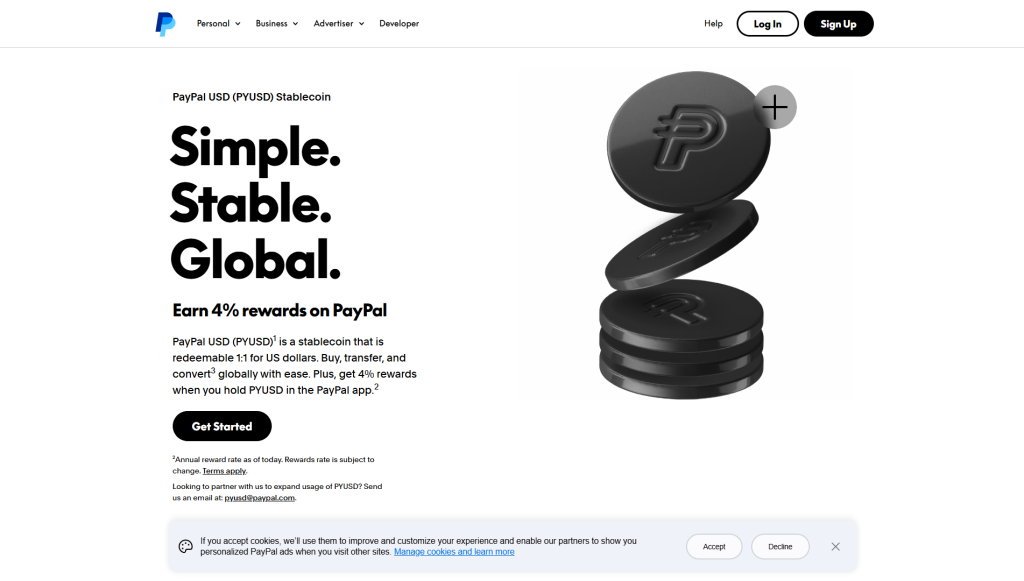
PYUSD is issued by Paxos under New York regulation and benefits from the massive trust and infrastructure of PayPal. Launched with clear 1:1 backing in cash and equivalents, it has expanded steadily and is now available in over 70 countries.
Its integration with PayPal’s payment ecosystem gives it real-world utility beyond crypto trading, appealing to users who value institutional credibility and everyday usability.
Pros:
- Regulated by New York authorities with Paxos oversight
- Strong brand backing and growing real-world adoption
Cons:
- Still smaller market cap and liquidity than USDC or USDT in pure crypto exchanges
3. RLUSD (Ripple USD)
RLUSD is Ripple’s regulated stablecoin, operating under a New York Department of Financial Services (NYDFS) trust structure with custody at BNY Mellon. It features monthly attestations and was built specifically for institutional payments and cross-border use.

Although newer than USDC, its enterprise-focused design and regulatory framework have earned it a high trust ranking quickly.
Pros:
- NYDFS-regulated trust with high-quality custody
- Optimized for efficient institutional transfers
Cons:
- Relatively new, so it has a shorter proven track record than USDC
4. USDT (Tether)
USDT remains the most widely used and liquid stablecoin in the world. Issued by Tether, it has significantly improved its transparency in recent years, including full audits by KPMG in 2026. Its enormous market depth makes it the default choice for trading pairs on nearly every major exchange.
However, its reserves have historically been more varied than pure cash/Treasury models, and it continues to face varying regulatory scrutiny in different regions.
Pros:
- Unmatched liquidity and global availability
- Proven resilience through multiple market cycles
Cons:
- More complex reserve composition and occasional regulatory challenges
5. FDUSD (First Digital USD)
FDUSD is regulated in Hong Kong and maintains transparent reserves in cash and cash equivalents. It gained significant adoption after the phase-out of BUSD and serves as a convenient native stablecoin for trading activity, especially on Binance.
It offers a good balance of regulation and practicality for active traders in Asia and globally.
Pros:
- Clear Hong Kong regulation and transparent reserves
- Strong integration and liquidity on major trading platforms
Cons:
- Lower institutional recognition compared to USDC or PYUSD
Conclusion
For most people seeking peace of mind, USDC is the clearest recommendation in 2026. Its monthly audits, full compliance with the GENIUS Act, and 100% high-quality reserves give it the strongest protection against black swan events. It is the stablecoin that best balances safety, transparency, and usability.
USDT remains a practical choice when maximum liquidity is essential—especially for frequent trading—but it carries a slightly higher risk profile due to its reserve structure and regulatory history. PYUSD, RLUSD, and FDUSD are all solid, well-regulated options, yet they still trail USDC in overall adoption and proven long-term resilience.
One final piece of advice: completely avoid algorithmic or complex DeFi-based stablecoins. The March 2026 hack and depeg of Resolv’s USR served as a painful reminder that smart-contract vulnerabilities and market stress can destroy value almost instantly. For everyday holding and peace of mind, stick with fully fiat-backed stablecoins from regulated issuers.
If you plan to earn interest on your stable holdings, platforms like Nexo currently offer competitive flexible rates (up to 8–10% depending on the stablecoin and your loyalty tier). You can check current offers here:
https://nexo.com/ref/f3kgqgknwo?src=web-link
Choose based on your priorities—maximum safety points to USDC, while high liquidity still makes USDT hard to ignore. Whatever you decide, always verify the latest attestations and never invest more than you can afford to keep stable.
FAQ
-
What is a fiat-backed stablecoin?
A fiat-backed stablecoin is a cryptocurrency designed to stay pegged at $1 USD, fully backed by real-world assets such as cash in bank accounts and short-term US Treasury bills. The issuer holds reserves equal to the number of tokens in circulation and allows users to redeem 1 token for 1 dollar. Examples include USDC, PYUSD, and RLUSD. These are generally considered the safest type because they rely on audited reserves rather than algorithms.
-
What is an algorithmic stablecoin?
An algorithmic stablecoin tries to maintain its $1 peg using smart contracts, mathematical formulas, or other cryptocurrencies as collateral instead of holding real dollars. They often promise higher yields but are much riskier. If the algorithm fails or the market panics, the peg can break suddenly. Recent examples like Resolv’s USR in 2026 showed how vulnerable they can be to hacks or market stress.
-
What is USDT?
USDT (Tether) is the most widely used and liquid stablecoin in the world. It is issued by Tether and aims to maintain a 1:1 peg with the US dollar. It has the highest trading volume on exchanges like Binance, making it very convenient for trading, but its reserves have historically been more complex than pure cash-backed options.
-
What is USDC?
USDC (USD Coin) is a stablecoin issued by Circle. It is one of the most regulated and transparent options, with monthly audits and reserves held in cash and US Treasuries. Many users and institutions consider it the safest major stablecoin due to its strong compliance and clear backing.
-
USDT vs USDC: Which is better?
It depends on your priority. USDC is generally safer and more transparent thanks to stricter regulation and monthly audits. USDT offers better liquidity and is more widely available for trading. If maximum security is your main concern, most experts recommend USDC. If you need the highest liquidity for frequent trading, USDT is still very practical.
-
What is a depeg?
A depeg happens when a stablecoin loses its 1:1 value with the US dollar. Instead of staying at $1, it might drop to $0.95, $0.80, or even lower during market stress, hacks, or loss of confidence. A severe depeg can cause significant losses for holders.
-
What is the GENIUS Act?
The GENIUS Act is a 2025 US law that sets strict rules for stablecoin issuers. It requires high transparency, regular audits, and high-quality reserves (mainly cash and Treasuries). Stablecoins that fully comply, like USDC, are considered much safer under this regulation.
-
Can I earn interest by holding stablecoins?
Yes. Many platforms allow you to earn interest (yield) on your stablecoins through lending or savings programs. Popular options include Binance Earn and Nexo, where you can deposit USDC or USDT and receive annual percentage rates (APR) that are often between 4% and 12%, depending on the platform, stablecoin, and your account tier.
-
What is Nexo?
Nexo is a cryptocurrency platform that offers interest-earning accounts, loans, and a debit card. It lets users deposit stablecoins like USDC or USDT and earn competitive yields in a flexible or fixed-term format. It is popular among users who want to generate passive income on their crypto holdings.
-
What is Binance Earn?
Binance Earn is Binance’s savings and investment section where users can deposit stablecoins (such as USDT, USDC, or others) to earn interest. It offers flexible (withdraw anytime) and locked options with varying APYs. It is one of the easiest ways for Binance users to put their stablecoins to work and generate yield.